The city of Clarence-Rockland has seen a rise in traffic ever since the federal government started requiring its workers to return to the office on Sept. 9.
That’s according to the municipality’s mayor, Mario Zanth, who said many people across the city work for the federal government in the National Capital Region and are required to return to the office three days a week, which is causing major gridlocks with minimal options to get in and out of the area.
The government first asked employees to come back to the office at least two to three days a week in December of 2022 after they were working from home during the height of the COVID-19 pandemic.
“I know this new rule is impacting our residents negatively,” said Mayor Zanth. “Many kids started going to school during the pandemic, and had someone drop off and pick them up. It is causing them some anxiety. I don’t think the federal government really thought this through.”
Zanth said the federal government had a big opportunity to be innovative, forward-thinking and provide public servants the flexibility they have been overwhelmingly supportive of.
“The feds really had a chance to give these parents that work life balance they were accustomed to,” said Zanth. “Instead, we are moving backwards. I can’t make the government change their mind, but I can voice the discontent of citizens on their behalf.”
Zanth is also a full-time federal employee on top of being Mayor, which the city administration considers a part-time role.
Fire departments also feeling the pinch
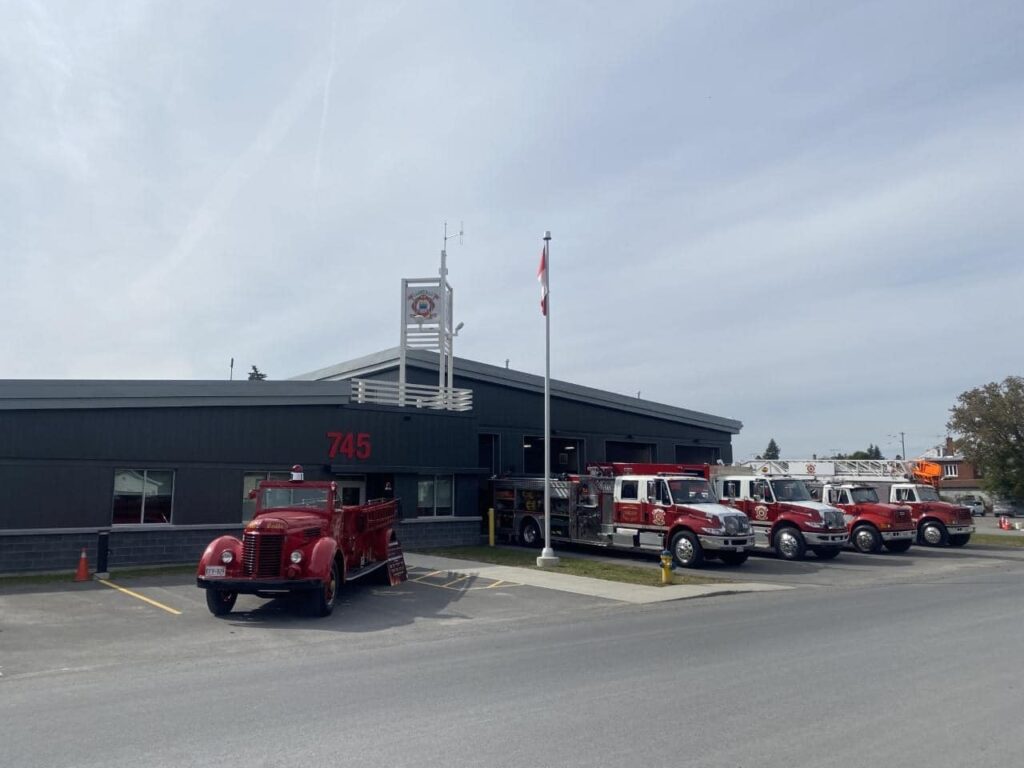
Fire departments in Clarence-Rockland, Casselman and The Nation rely on volunteer firefighters, and with federal employees now required to be on site a minimum of three days a week, volunteers who are public servants are starting to work less and are not able to answer calls on time when there is an emergency.
“During COVID-19, everyone was working from home, it made things a little easier,” said Mario Villeneuve, the fire chief for the fire departments in Clarence-Rockland, Casselman and The Nation. “No one has had to leave, but they can’t be out answering to emergencies when they have to travel to and from Ottawa a few days a week.”
Villeneuve said roughly 10 per cent of the work force are public servants, noting that if the government ever considered an exemption or more flexibility for volunteer firefighters, it would be a big help.
“Not being able to answer emergencies, it impacts people’s lives,” he said. “When we don’t have the manpower, we are getting help from mutual aid partners or other fire departments.”